Democracy has always been unfinished work
July CEO Update, From Yamani Yansá Hernandez
As July comes to a close, I find myself reflecting on how this month asks us to celebrate freedom. For many of us, the celebration has always carried more than one truth. We honor the ideals this country was founded upon while recognizing that those ideals have never been experienced equally. As the U.S. marks 250 years since its founding, I’ve found myself thinking less about the anniversary itself and more about what freedom actually looks like.
Freedom is often described in the language of rights. The right to vote. The right to speak. The right to assemble. Those rights matter deeply. But rights only become real when people can exercise them.
Freedom means being able to care for your family without fear. It means deciding what happens to your own body and being able to afford it. It means breathing clean air, drinking safe water, finding shelter during dangerous heat, and knowing your children can grow up in communities where they are safe and valued. It means having the dignity, stability, and opportunity to participate fully in public life.
That vision of freedom feels increasingly fragile.
At the same time, another summer of record-breaking heat is exposing deep inequities in who bears the burden of our climate crisis. Communities are confronting rising utility costs, dangerous temperatures, and growing concerns about the enormous water and energy demands of expanding data centers, even as the economic benefits continue to flow upward to those already holding extraordinary wealth and power.
And alongside these realities, attacks on bodily autonomy continue to widen. From renewed efforts to restrict abortion access and medication abortion to growing threats to IVF and the continued politicization of reproductive healthcare, we are witnessing an effort to expand government control over some of the most personal decisions people can make. And ICE keeps killing people.
These may seem like separate issues, yet all ask the same question: Who gets to experience freedom, and who is expected to live without it?
At Groundswell, we’re just going to keep saying it: Bodily autonomy and democracy rise and fall together. This isn’t just a statement, but a core operating principle on how democracy works–and how Groundswell builds and resources power. A democracy cannot flourish when people are denied the ability to make decisions about their own bodies, remain with their families, live in healthy communities, or participate in public life without fear.
That is why we invest in grassroots organizations building freedom from the ground up.
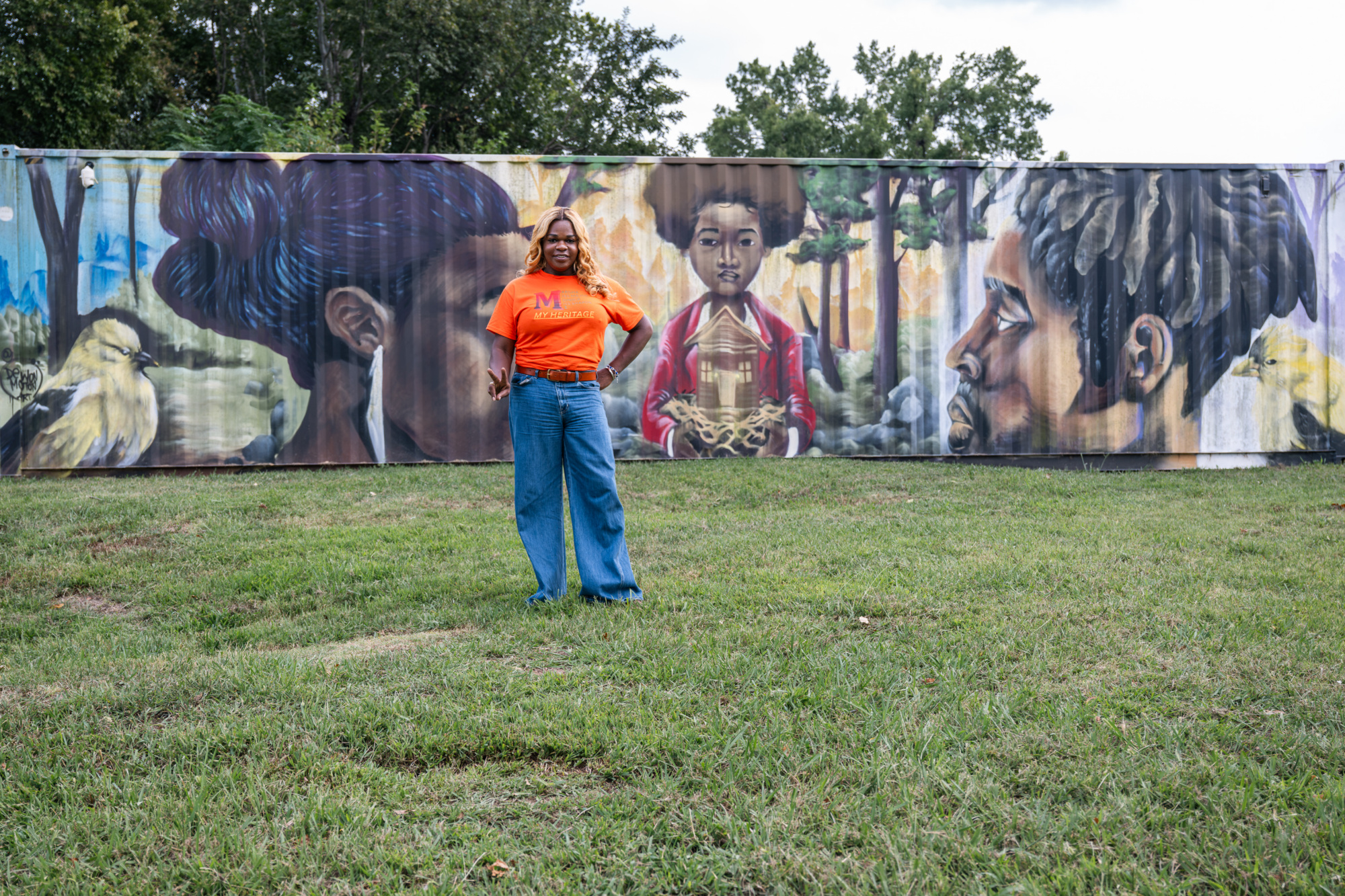
Kayla Gore, Executive Director of My Sistah's House in front of a shipping container used to provide services and meals to the neighborhood.
Our grantee partner, My Sistah’s House in Memphis, is one example. Founded by and for Black trans women, the organization is creating permanent housing, cultivating leadership, and building community-led systems of care for people who have been too often excluded from public systems. As Memphis residents organize around the environmental impacts of large-scale data center development in their communities, My Sistah’s House continues to remind us that housing justice, environmental justice, bodily autonomy, and democracy are deeply connected.
Freedom isn’t only about what people are protected from. It’s about what people have the power to build together.
That same spirit runs throughout our newly released 2025 Impact Reports. They are more than a summary of our work last year. They are a reflection of what becomes possible when communities have the resources to lead, organize, care for one another, and imagine new futures. I hope you’ll take time to explore the stories of the movement leaders whose work continues to expand what freedom can mean.
This month, Groundswell also joined Nonprofit Quarterly’s #WeTheCivic initiative, a national conversation asking what democracy requires as the U.S. recognizes 250 years. It is an opportunity to tell a fuller story of this country, one that recognizes that democracy has always been strengthened by the people who refused to accept its limitations.
Two hundred and fifty years is worth reflecting on, but not because our work is finished.
Freedom has always been built by the people who refused to mistake a promise for a reality, and that is who we celebrate every day with our work.